
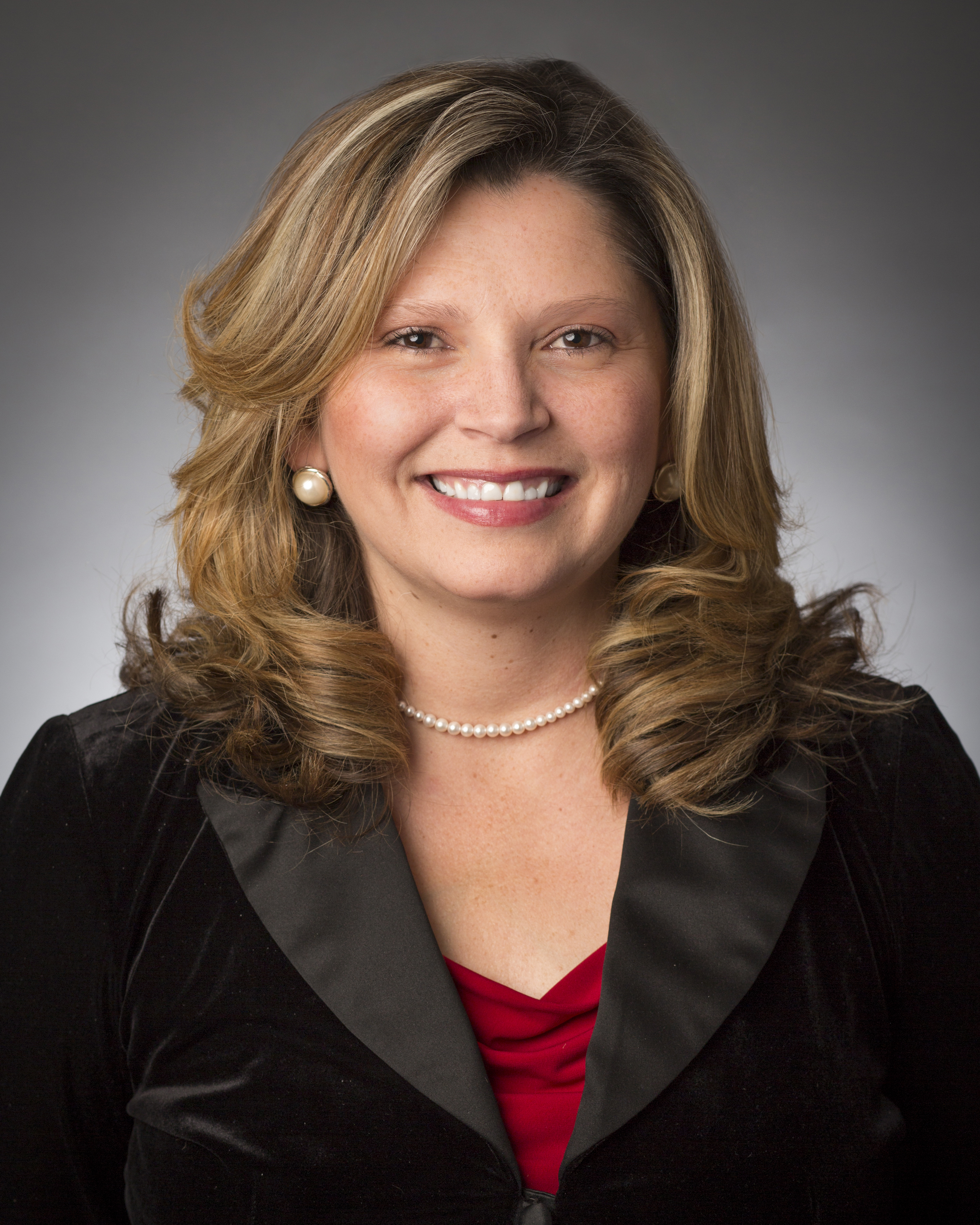
Dr. Sharon Meyers has spent more than 20 years inside nonprofit organizations — as a fundraiser, a CEO, and a senior leader across sectors ranging from healthcare and higher education to K–12 schools, religious institutions, and national patient advocacy groups. She's watched what happens when talented, mission-driven people step into executive roles without much preparation for the complexity waiting for them. That's why she teaches.
At CPCS, Dr. Meyers teaches PCS 8153: Leading in a Non-Profit Environment, part of the Master of Applied Science in Organizational Leadership program. The course pulls no punches about what nonprofit leadership actually requires. "The sector is often viewed primarily through the lens of mission," she says. "But nonprofits are also businesses — businesses dedicated to social good. The leadership demands are just as real."
A Career Spent Inside Organizational Change
Dr. Meyers' career has taken her across higher education, healthcare, K–12, religious institutions, and national patient advocacy. She holds a Doctor of Education in Organizational Change and Leadership from the University of Southern California, a master's degree in Political Science with an emphasis in public administration and policy from the University of Southern Mississippi, and a Nonprofit Management Executive Certificate from Georgetown University.
She is also a Certified Fund Raising Executive (CFRE), a credential held by roughly 8,000 professionals worldwide.
CPCS Faculty
What ties her career together isn't a single sector — it's a pattern. She kept ending up in organizations going through significant change: leadership transitions, strategic pivots, financial strain, structural overhaul. Those experiences made one thing clear: the hardest problems nonprofits face are leadership problems. Passion isn't enough. Strategic discipline, financial literacy, governance knowledge, and the ability to lead through disruption — those are the skills that determine whether an organization survives a hard stretch.
Teaching with Real Data, Not Hypotheticals
At the start of each semester, students in Dr. Meyers' course select two real nonprofit organizations. Those organizations become their subjects for the entire term. Students dig into actual IRS Form 990 filings, annual reports, websites, and public communications — evaluating governance, financial health, strategy, ethics, and stakeholder relationships side by side.
The approach is intentional. "I want students to develop the ability to think like nonprofit leaders," she explains. "That means analyzing real organizations with real constraints, not sanitized case studies."
The sector they're studying is under real pressure. Demand for services is rising. Donors are aging. Funders want clearer evidence of impact. Technology and data analytics are becoming central to how organizations operate and prove their value. These aren't abstract trends — they're the conditions students will face from day one.
Dr. Meyers prepares students to work in those conditions — how to read financial statements, evaluate governance structures, build diversified revenue, and make decisions using data rather than instinct. Students leave her course with the same analytical foundation that most nonprofit leaders spend years developing on the job.
The Students CPCS Attracts
Dr. Meyers is direct about what she values in the classroom. "CPCS students come in willing to question assumptions and engage with hard questions," she says. "They don't want to be told what to think — they want to figure it out." Many have gone on to nonprofit leadership roles, putting what they learned to work in organizations in their own communities. She stays in touch with former students and takes genuine satisfaction in seeing that happen.
For anyone considering the nonprofit sector, her advice is straightforward: the field is large, complex, and genuinely essential — but it rewards people who take the business side seriously. The organizations doing the most meaningful work tend to have the most disciplined leaders behind them.
What's Next
Dr. Meyers is expanding nonprofit leadership coursework within MASOL, with particular focus on governance, finance, revenue diversification, and the growing role of technology in nonprofit decision-making. She is also writing a book aimed at new and emerging nonprofit leaders — a practical guide for people stepping into high-stakes roles for the first time — alongside writing projects on organizational change and modern fundraising strategy.
Her read on where the sector is headed: more demand, more complexity, and a growing premium on leaders who can operate strategically across all of it. "Passion is the starting point," she says. "What determines success from there is discipline."
Dr. Sharon Meyers, CFRE serves as Adjunct Lecturer, Graduate at the College of Professional and Continuing Studies, teaching courses in nonprofit leadership through the MASOL program. To learn more about CPCS programs, visit cpcs.msstate.edu.