
From Field Exploration to Virtual Frontiers: Dr. Ryan Walker’s Vision for Experiential Learning
Dr. Ryan M. Walker is at the forefront of immersive learning and STEM education at Mississippi State University's College of Professional and Continuing Studies. As an associate professor and a leader in virtual reality curriculum design, Dr. Walker blends scientific literacy, experimental learning, and cutting-edge technology to help students explore how learning happens, and how it can be transformed.
Background & Expertise
At CPCS, Dr. Walker teaches PCS 1003: STEM Explorations - Fact or Fiction and the two-course sequence PCS 4103 Designing Immersive VR Experiences I and PCS 4113 Designing Immersive VR Experiences II. These courses introduce students to evaluating scientific claims, immersive learning environments, and the design of spatial VR content that supports meaningful learning.
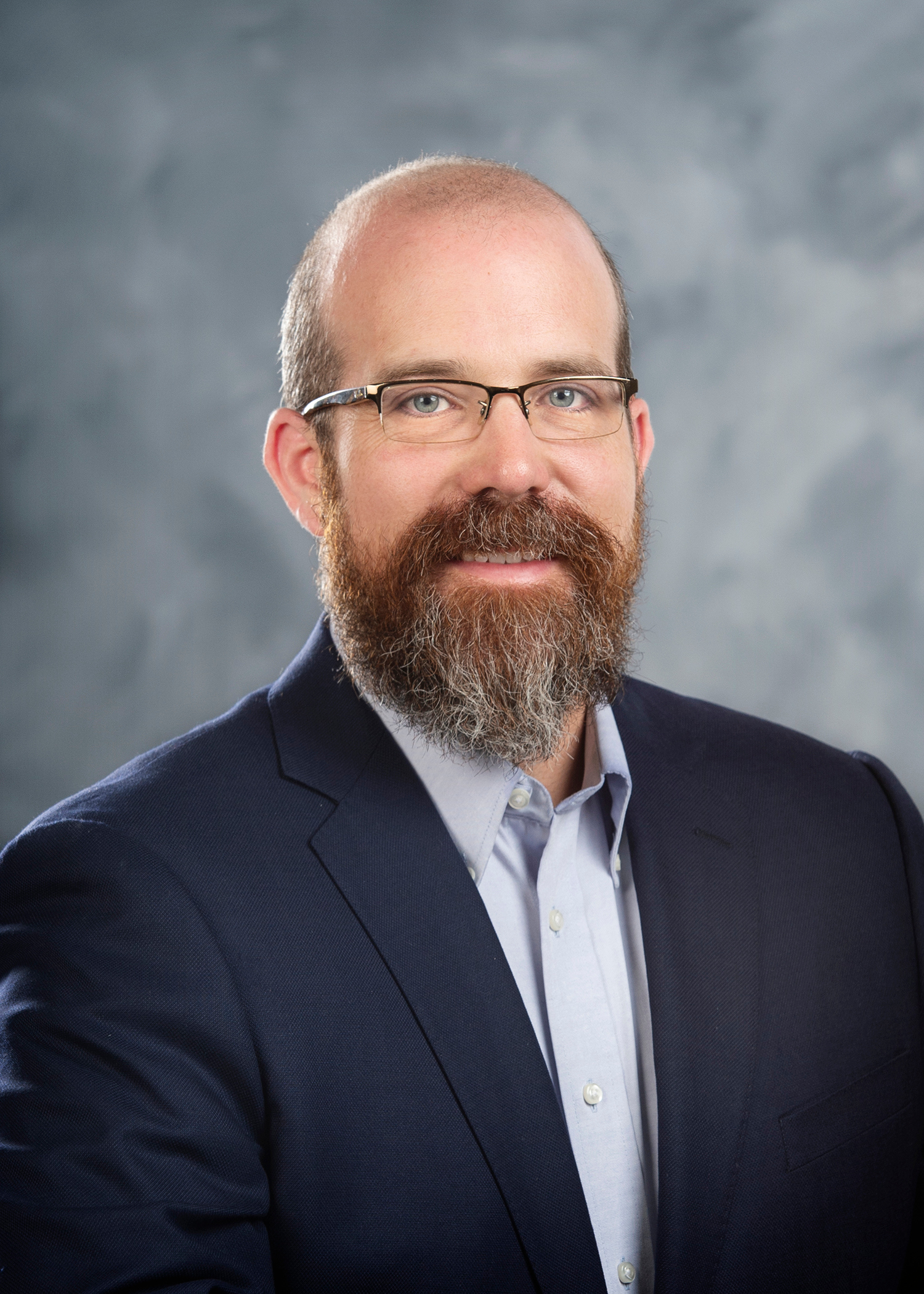
CPCS Faculty
His expertise spans science teacher education, experiential and informal science learning, VR curriculum design, and STEM workforce development. In addition to his teaching role, Dr. Walker serves as Director of the ENGAGE Creator Micro-Credential Program, where he works closely with students, faculty, and industry partners to develop high-quality immersive instructional experiences aligned with real-world needs.
Dr. Walker's path into immersive learning began with a lifelong passion for exploration. Early experiences leading outdoor science expeditions and studying the impact of field-based learning shaped his understanding of how hands-on engagement sparks curiosity and deep understanding. As a science teacher and program evaluator, he saw firsthand how experiential learning transformed students. Virtual reality, he explains, became a natural extension of that work, offering learners access to environments they may never physically visit, from microscopic systems to planetary landscapes.
He brings more than a decade of applied experience into the classroom. Dr. Walker has served as a Science Subject Matter Expert for Optima Ed, contributing to the launch of the nation's first fully immersive VR school. His work with the National Science Foundation through multiple I-CORPS projects explored both the educational and commercial potential of VR in K-12 systems. Earlier in his career, he also worked as a tomato breeder for Syngenta, an experience that grounds his teaching in authentic scientific research and industry practice.
Thought Leadership & Relevance
Dr. Walker notes that immersive technology is rapidly reshaping education, raising new questions about how learning is designed, measured, and experienced in virtual spaces. As VR becomes more accessible, educators must consider how to create high-quality spatial learning environments and how immersive tools can expand, not replace, traditional experiential learning. One of the most promising developments, he says, is VR's ability to deliver authentic, place-based learning experiences at scale.
His courses prepare students to thrive in this evolving landscape by emphasizing exploration, experimentation, and problem-solving. Students learn critical scientific information, design immersive instructional content, and build VR experiences grounded in sound pedagogy. Along the way, they develop practical skills such as storyboarding, spatial design, user experience planning, and aligning immersive environments with learning outcomes—skills that translate directly to careers in education, instructional design, simulation development, and emerging VR industries.
For those considering a career in immersive technology, Dr. Walker offers simple advice: stay curious, experiment often, and build things. "This field rewards people who enjoy exploring and learning alongside their users," he says.
CPCS & Student Impact
What Dr. Walker enjoys most about working with CPCS students is the depth of experience and motivation they bring into the classroom. Many balance careers and family responsibilities, yet approach learning with focus and creativity. He finds particular fulfillment in helping students connect STEM concepts to real-world questions and watching them grow into confident designers of immersive learning experiences.
Hands-on learning is central to his teaching. In STEM Explorations, students use VR to investigate coral reefs, weather systems, and cellular structures. In the Designing Immersive VR Experiences sequence, students move from conceptual development to building fully interactive VR lessons, often working with real clients, authentic constraints, and genuine instructional challenges.
One standout success story is former student Dylan Overby, who developed strong VR content creation skills and now creates immersive experiences for national clients—an example of how experiential learning and emerging technology can open doors to impactful careers.
Looking Ahead
Dr. Walker is currently leading the development of new VR-based STEM experiences focused on environmental systems, weather and climate, and sustainability. He is also collaborating with faculty and industry partners to study how VR-supported inquiry can increase student engagement, reduce teacher workload, and improve conceptual understanding at scale.
Looking to the future, he sees VR becoming a core instructional tool. Over the next decade, he anticipates fully integrated immersive learning ecosystems where students explore phenomena, collect and analyze data, collaborate virtually, and build simulations as part of everyday coursework. This evolution, he believes, will significantly expand access to high-quality experiential learning, particularly for rural and underserved communities.
Through his teaching, research, and leadership, Dr. Ryan Walker continues to push the boundaries of how STEM education is experienced, ensuring CPCS students are prepared to learn, design, and lead in an increasingly immersive world.
Dr. Ryan Walker serves as Associate Professor and Director of the ENGAGE Creator Micro-Credential Program at the College of Professional and Continuing Studies. To learn more about Dr. Walker or CPCS programs, visit cpcs.msstate.edu or contact him at ryan.walker@msstate.edu.